Most dental visits are routine: cleanings, exams, maybe a filling when a cavity shows up. But sometimes a tooth problem is bigger than “routine.” You might have gum issues that won’t settle down, a tooth that needs a more involved repair, jaw discomfort, or a complex plan to replace missing teeth. That’s where specialty dentistry becomes valuable. Specialty dentistry refers to focused dental care for needs that require advanced training, specialized tools, or a more detailed treatment plan.
This article explains what specialty dentistry is, the types of services it often includes, how you know when you may need it, and how specialty-focused care can protect your long-term oral health.
What Specialty Dentistry Means in Everyday Terms
Think of specialty dentistry as “next-level” dental care. It doesn’t replace general dentistry—it builds on it. General care helps prevent problems and treats common issues early. Specialty dentistry steps in when a condition is more complex, when the mouth needs a more tailored approach, or when treatment requires extra precision.
Patients often encounter specialty dentistry when they need help with:
- Advanced gum care for ongoing inflammation or bone loss
- Root canal therapy for infected or deeply damaged teeth
- Tooth extractions, including difficult extractions
- Dental implants and implant-supported restorations
- Cosmetic and restorative planning for multiple teeth
- Bite and jaw comfort issues that need careful evaluation
A key benefit of specialty dentistry is that it focuses on solving the root cause, not just covering symptoms. That means better comfort now and fewer recurring issues later.
Common Areas Covered Under Specialty Dentistry
Different practices use the term in different ways, but most specialty dentistry care falls into a few core categories. Here’s what that can look like for patients.
Gum-Focused Care
When gums are irritated, they can bleed easily, feel tender, and make breath less fresh. But gum problems can also affect the bone that supports teeth. Specialty-level gum care is designed to calm inflammation, reduce harmful bacteria, and help protect the foundation of the smile.
Root Canal Treatment and Tooth-Saving Care
A tooth with deep decay or infection may throb, feel sensitive to temperature, or hurt when biting. Specialty dentistry often includes root canal treatment options that remove infection and allow the tooth to be restored instead of removed. For many patients, this is a relief: it means keeping their natural tooth whenever possible.
Surgical and Complex Extractions
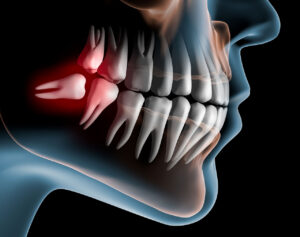
Not every tooth extraction is straightforward. Teeth can break, roots can curve, and wisdom teeth can be positioned in challenging ways. Specialty dentistry extraction care focuses on safe removal and smooth healing, with a comfort plan that helps you feel supported.
Dental Implants and Advanced Replacement Options
Replacing missing teeth can involve more than simply “filling a space.” Bone support, gum health, bite balance, and long-term maintenance all matter. Implant planning often includes careful imaging and step-by-step coordination so the final result feels stable and natural.
Complex Restorative and Cosmetic Planning
When multiple teeth need repair, a piecemeal approach can lead to uneven results. Specialty dentistry planning can coordinate treatments—like crowns, bridges, veneers, and bite adjustments—so everything fits together comfortably.
Signs You May Need Specialty Dentistry
You don’t have to diagnose yourself. But certain signs are a good reason to schedule an evaluation and ask if specialty dentistry is appropriate.
Consider specialty dentistry if you have:
- Gum bleeding that continues even with good brushing
- Persistent bad breath or a bad taste that keeps returning
- A toothache that feels deep, throbbing, or hard to pinpoint
- Swelling around a tooth or along the gums
- A tooth that is cracked or painful when you bite down
- Loose teeth or gums that seem to be pulling back
- Missing teeth and a desire for a stable, long-term replacement
- A bite that feels uneven or causes jaw fatigue
Even if pain comes and goes, it can still signal a deeper issue. Specialty dentistry can help you get answers before a problem grows.
What to Expect During a Specialty Dentistry Evaluation
One reason people delay care is uncertainty. A specialty dentistry evaluation is usually focused and practical. The goal is to understand what is happening, explain options clearly, and create a plan you can feel confident about.
Step 1: A Thorough Assessment
Your dentist will examine teeth, gums, and bite function. Imaging may be used to see what’s happening below the surface, such as bone levels around teeth, infection near roots, or the position of impacted teeth.
Step 2: Clear Options and Priorities
Good specialty dentistry is never “one option only.” You should hear:
- What the problem is
- Why it matters
- What treatment options exist
- The pros and cons of each option in plain language
- What happens if you wait
This is where trust is built. The goal is to help you make an informed decision without pressure.
Step 3: Comfort Planning
Many specialty procedures can sound intimidating, but comfort matters. A specialty dentistry plan often includes strong local numbing, clear aftercare instructions, and comfort options when needed for anxiety or longer visits.
Benefits of Specialty Dentistry
The biggest benefit of specialty dentistry is that it supports long-term stability. Instead of patching problems repeatedly, specialty-focused care aims to solve them thoroughly.
- More accurate diagnosis: specialty dentistry evaluation can reveal hidden causes like deep infection or bone changes.
- Tooth-saving options: specialty dentistry may help preserve teeth that might otherwise be lost.
- Healthier gums: Advanced gum care helps protect the support system around teeth.
- Stable tooth replacement: Implant planning and advanced restorations can improve chewing comfort.
- Reduced recurrence: Treating the root cause can prevent the same problem from returning.
- Better comfort during treatment: A thoughtful plan can make complex care feel more manageable.
- A coordinated plan: specialty dentistry can connect treatments so the final result looks and feels balanced.
Specialty Dentistry and Everyday Life: Why Timing Matters
Many conditions treated through specialty dentistry get worse when ignored. That doesn’t mean panic—it means timing matters. For example:
- Gum inflammation can become deeper gum disease if bacteria stay along the gumline.
- Small cracks can grow and lead to a larger fracture.
- Infection inside a tooth can spread to surrounding areas and increase swelling.
- Missing teeth can lead to shifting and bite changes.
When you address needs earlier, specialty dentistry often becomes simpler, more predictable, and more comfortable.
The Bottom Line: Focused Care Can Protect Your Smile
When dental needs go beyond routine, specialty dentistry can provide the focused expertise and planning that keeps your smile healthy and stable. Whether the concern involves gums, infection, missing teeth, or complex repairs, specialty dentistry offers a clear path from “problem” to “plan,” with comfort and long-term success as the priorities.
If you think you may benefit from specialty dentistry, contact Rockwell Dentistry at 732-242-4935 to book an appointment at 8 Tindall Rd., Middletown, NJ 07748 and get a personalized specialty dentistry evaluation and treatment plan that supports your long-term oral health.