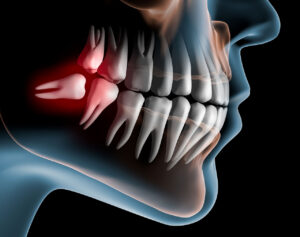
A toothache can take over your whole day. It can make eating feel stressful, keep you awake at night, and leave you wondering if something serious is going on. When pain comes from deep inside a tooth, it may not improve with time—or with home remedies. That’s where root canal treatment can help. Despite the reputation it sometimes gets, root canal treatment is often the very thing that stops pain and helps you keep your natural tooth.
If you’ve been told you may need root canal treatment, this article will explain what it is, why it’s recommended, what it feels like, and how to protect your tooth afterward—all in clear, patient-friendly language.
What Root Canal Treatment Actually Does
Inside every tooth is a soft inner area that contains nerves and blood vessels. This is called the “pulp.” When the pulp becomes inflamed or infected—often from a deep cavity, a crack, or trauma—the tooth may become very sensitive or painful. Root canal treatment removes the damaged pulp, cleans the inside of the tooth, and seals it so the infection can’t continue.
A simple way to think about root canal treatment is this: it treats the inside of the tooth so the outside can keep doing its job. The tooth remains in place, and you can continue chewing normally once it’s properly restored.
Signs You Might Need Root Canal Treatment
Some people assume they’ll definitely know when a tooth needs root canal treatment. Sometimes the signs are clear, but not always. Common symptoms include:
- Strong tooth pain when chewing or biting
- Sensitivity to hot or cold that lingers
- A pimple-like bump on the gums near a tooth
- Swelling in the gums or face
- A tooth that feels “higher” or sore to touch
- Darkening of a tooth after injury
- Pain that wakes you up or doesn’t calm down
In some cases, an infected tooth doesn’t hurt much at all. That’s why exams and x-rays matter. If your dentist recommends root canal treatment, it’s usually because the inside of the tooth is compromised and needs attention before it turns into a bigger infection.
Why Not Just Pull the Tooth?
It’s a fair question. If a tooth hurts, why not remove it and be done? The reason dentists often recommend root canal treatment first is that keeping your natural tooth usually supports the best long-term function.
When you keep the tooth:
- Chewing stays more balanced
- Neighboring teeth are less likely to shift
- Your bite stays more stable
- You avoid the extra steps needed to replace a missing tooth
Tooth replacement options can be excellent, but they involve their own planning, time, and cost. Root canal treatment is often the most direct way to eliminate pain and preserve what you already have.
What Happens During Root Canal Treatment?
One of the biggest fears is the unknown. Knowing the steps can make root canal treatment feel much more manageable.
Step 1: Numbing and Comfort
Before starting, the tooth and surrounding area are fully numbed. Most patients say the appointment feels similar to getting a filling—just longer. The goal of root canal treatment is comfort and control, not toughness.
Step 2: Accessing the Inside of the Tooth
A small opening is made to reach the inner space. This allows the dentist to remove the inflamed or infected tissue.
Step 3: Cleaning and Shaping
The inside of the tooth is carefully cleaned and shaped so it can be sealed. This step is a big reason root canal treatment is successful—it removes the source of infection and creates a clean space.
Step 4: Sealing the Tooth
Once cleaned, the tooth is sealed with a filling material designed to prevent bacteria from returning. In many cases, a temporary filling is placed until the final restoration is completed.
Step 5: Restoring Strength with a Crown (Often Recommended)
After root canal treatment, the tooth can become more brittle. Many teeth—especially back teeth—benefit from a crown to protect them from cracking. The crown acts like a helmet for the tooth, letting you chew confidently.
Benefits of Root Canal Treatment
It’s easy to focus on the word “procedure,” but the benefits of root canal treatment are the reason it’s recommended so often:
- Pain relief: Many patients feel better quickly because the inflamed tissue is removed.
- Saving your natural tooth: Root canal treatment allows you to keep the tooth in place rather than losing it.
- Stopping infection from spreading: Treating an infected tooth helps protect nearby tissues and teeth.
- Restoring normal chewing: Once restored, the tooth can function like a healthy tooth.
- Maintaining your bite and alignment: Keeping the tooth helps prevent shifting and bite changes.
- Avoiding more complex treatment: Addressing the problem now can prevent larger infections that require more extensive care.
Does Root Canal Treatment Hurt?
This is the question everyone thinks about first. Modern root canal treatment is designed to relieve pain, not cause it. The tooth is numbed thoroughly, and the most uncomfortable part for many people is simply keeping the mouth open for a longer appointment.
After root canal treatment, it’s normal to feel some tenderness for a few days—especially when chewing. This usually improves steadily and can often be managed with an agreed-upon comfort plan. If you have swelling, increasing pain, or a sensation that your bite is off, call the office. Small adjustments can make a big difference.
Root Canal Treatment Recovery: What to Do After Your Visit
Your dentist will give you personalized instructions, but these general tips can help you recover smoothly after root canal treatment:
- Avoid chewing on the treated tooth until it’s fully restored. A temporary filling isn’t meant for heavy chewing.
- Keep brushing and flossing. Gentle, consistent hygiene supports healing.
- Follow medication guidance. Take any recommended medications as directed.
- Choose softer foods for a day or two. This reduces pressure while the tooth settles.
- Schedule your final restoration promptly. A crown or permanent filling is a key part of protecting the tooth after root canal treatment.
One common mistake is waiting too long to place the final crown. A tooth that has had root canal treatment can be more vulnerable to cracks if it’s not protected, especially in the back of the mouth.
What If I’m Nervous? Calming Strategies That Help
Dental anxiety is extremely common. If you’re worried about root canal treatment, you don’t need to “power through” alone. Helpful strategies include:
- Ask for a step-by-step explanation. Knowing what’s happening can reduce stress.
- Use simple signals. A raised hand can pause the procedure any time.
- Bring headphones. Music or a podcast can make the time feel faster.
- Discuss comfort options. Many patients benefit from added relaxation support.
- Choose an earlier appointment. Some people feel less anxious when they don’t spend all day thinking about it.
The goal is for root canal treatment to feel predictable and controlled—because that’s how it’s designed.
How to Prevent Needing Root Canal Treatment Again
You can’t always prevent problems, especially after trauma, but you can reduce risk. Most cases that lead to root canal treatment start with decay or cracks that grow over time. Prevention tips include:
- Brush twice daily with fluoride toothpaste
- Clean between teeth every day
- Treat cavities early before they grow deep
- Wear a nightguard if you grind or clench
- Use a mouthguard for sports
- Keep regular exams so cracks or deep decay can be caught early
These habits support the tooth structure that keeps you from needing another root canal treatment in the future.
Key Takeaways: Root Canal Treatment Is Often the “Save the Tooth” Solution
When a tooth is infected or inflamed on the inside, waiting rarely makes it better—and can make it worse. Root canal treatment is a proven way to remove the source of pain, stop infection, and help you keep your tooth. With modern numbing and careful techniques, most people find that root canal treatment is far more comfortable than the toothache that brought them in.
If you have tooth pain, sensitivity that lingers, or swelling near a tooth, don’t try to tough it out. Contact Rockwell Dentistry at 732-242-4935 to schedule a consultation at 8 Tindall Rd., Middletown, NJ 07748 and find out whether root canal treatment is the right next step to get you comfortable again.