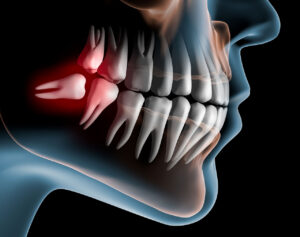
A tooth does a lot of quiet work every day—biting, chewing, helping you speak clearly, and keeping your bite balanced. So when a tooth is cracked, heavily filled, or worn down, it can feel unsettling. You may wonder: “Is this tooth going to break?” or “Do I really need a bigger repair?” Dental crowns are often the answer when a tooth needs reliable protection and a fresh start. With the right plan, dental crowns can restore strength, comfort, and a natural look—without making treatment feel overwhelming.
This guide explains what dental crowns are, when they’re recommended, what the process is like, and how to care for them so they last.
What Dental Crowns Are and Why They’re So Helpful
A dental crown is a custom “cap” that fits over a tooth to protect it and restore its shape and function. Think of it like a fitted helmet for your tooth. A crown covers the chewing surface and the sides of the tooth, helping prevent further cracking and helping you chew comfortably again.
People choose dental crowns for different reasons, but the goal is usually the same: keep a tooth in place and make it work like it should.
Common reasons dental crowns are recommended include:
- A tooth with a large filling that no longer has enough strong tooth structure
- A cracked tooth that hurts when biting or feels weak
- A tooth that has had root canal treatment and needs extra protection
- A tooth that is worn down from years of grinding or clenching
- A tooth with severe decay that needs more coverage than a filling can provide
- A tooth that needs cosmetic improvement in shape or color (in certain cases)
Because dental crowns cover and protect, they often help patients feel calmer about using the tooth again for everyday chewing.
Signs You Might Need Dental Crowns
Not every tooth problem needs a crown. But there are some common clues that a crown may be the best next step.
You may be a good candidate for dental crowns if you notice:
- Pain or sharp discomfort when you bite down
- A tooth that feels “split” or sensitive when chewing
- A filling that keeps breaking or falling out
- A tooth that looks cracked, chipped, or worn flat
- Sensitivity that lingers, especially when chewing on one side
- A tooth that has had a root canal and feels fragile
- Food catching near an old restoration or around a fractured edge
If you’re unsure, an exam and x-rays can help determine whether a filling, bonding, or dental crowns are most appropriate. The goal is to choose the smallest solution that still gives the tooth long-term support.
The Dental Crowns Process: What to Expect Step by Step
One reason people feel nervous about crowns is they imagine a long, painful process. In reality, the steps are planned and predictable, and comfort is a priority throughout.
Step 1: Exam, Planning, and Shade Matching
Your dentist will check the tooth, review x-rays, and discuss what’s going on—whether it’s decay, cracks, old fillings, or bite pressure. If you’re getting a crown on a visible tooth, the shade is selected so the final result blends naturally. The plan for dental crowns is always personalized to your tooth and your bite.
Step 2: Numbing and Preparing the Tooth
The tooth is numbed so you stay comfortable. Then the dentist shapes the tooth so the crown can fit properly. If there is old decay or a failing filling, it’s removed first. The goal is to create a stable foundation for the crown, which is a key reason dental crowns last when done carefully.
Step 3: Impression or Digital Scan
A detailed impression or scan is taken so your crown can be made to fit precisely. This step matters because dental crowns need to match your bite and your natural tooth shape. A good fit helps you chew comfortably and helps keep the gums healthy around the crown.
Step 4: Temporary Crown
In many cases, a temporary crown is placed to protect the tooth while the final crown is being made. This temporary crown helps you chew gently and keeps the tooth from shifting. It’s normal for a temporary to feel slightly different than the final, but it should not cause sharp pain. If it does, the office can adjust it.
Step 5: Final Placement and Bite Check
When your final crown is ready, your dentist checks the fit, shape, and color. Then it’s bonded into place. A bite check ensures your crown isn’t “too high,” which can cause soreness. With proper adjustment, dental crowns should feel natural when you bite and chew.
Types of Dental Crowns and How Dentists Choose
There are different materials used for dental crowns, and the best choice depends on your tooth location, your bite, and your goals.
- Tooth-colored crowns are often chosen for front teeth and many back teeth because they blend naturally.
- Some materials are selected for durability if you grind or have a strong bite.
- In certain cases, the dentist may recommend a material that fits your needs based on your tooth structure and how much coverage is required.
Rather than focusing on brand names, it helps to focus on outcomes: a crown that fits well, feels comfortable, and matches your bite. That’s the heart of successful dental crowns.
Benefits of Dental Crowns
When patients consider crowns, they’re often thinking about “fixing” a tooth. But the benefits go deeper than that. Well-made dental crowns can improve comfort, function, and long-term stability.
- Protection from further cracking: Crowns can hold a weak tooth together and reduce the chance of a split.
- Stronger chewing: Dental crowns restore biting strength so you can eat more comfortably.
- Long-term stability: A crown can be more durable than a large filling in a heavily damaged tooth.
- Support after root canal treatment: Many teeth need dental crowns after root canal therapy to reduce fracture risk.
- Improved bite balance: When a tooth is rebuilt properly, the bite can feel more even.
- Natural appearance: Tooth-colored dental crowns can look very similar to natural enamel.
- Peace of mind: Many patients feel relieved knowing the tooth is protected.
How to Care for Dental Crowns So They Last
Crowns are strong, but they still need normal daily care. A crown can’t decay, but the tooth underneath can still get cavities at the edges if plaque builds up there. Simple habits can protect your investment.
Here’s how to keep dental crowns in great shape:
- Brush twice a day and focus gently along the gumline.
- Clean between teeth daily to remove plaque along crown edges.
- Be mindful with very hard foods like ice, hard candy, and popcorn kernels.
- Address clenching or grinding; a nightguard may help protect your dental crowns and natural teeth.
- Keep routine checkups so your dentist can monitor the crown and your bite.
If you notice sensitivity, a rough edge, or a bite that feels “off,” call the office. Small adjustments can help dental crowns feel comfortable again.
Dental Crowns vs. Fillings vs. Bonding: How to Think About the Difference
It’s normal to wonder why you can’t just get another filling. Here’s a simple way to understand it:
Fillings repair small to medium areas of decay or damage inside the tooth. When a filling gets very large, the remaining tooth can become thin and more likely to crack. Bonding is a tooth-colored repair used for small chips or cosmetic changes. Bonding can be great for minor issues, but it may not be strong enough for a heavily damaged tooth. Dental crowns cover the tooth and protect it from multiple angles, which can be important when the tooth is cracked, heavily filled, or weak.
The best choice depends on how much natural tooth is left and how much chewing stress that tooth handles. Often, dental crowns are recommended when long-term protection is the priority.
What If You’re Nervous About Getting a Crown?
Dental anxiety is common, especially if you’ve had a bad experience in the past. The crown process can feel much easier when you know what to expect and you feel heard.
Helpful strategies include asking the team to explain each step before it happens, using a hand signal to pause at any time, bringing headphones for music or a podcast, and discussing comfort options if you tend to feel tense. A good experience with dental crowns should feel steady and supportive from start to finish.
Bringing It All Together
When a tooth is cracked, heavily filled, or simply worn down, it can feel like you’re walking on thin ice every time you chew. Dental crowns are designed to restore strength and reduce the risk of bigger problems later. With a precise fit, a balanced bite, and good daily care, dental crowns can help you chew comfortably and protect your smile for years.
Ready to find out if dental crowns are the right solution for your tooth? Contact Rockwell Dentistry at 732-242-4935 to book an appointment at 8 Tindall Rd., Middletown, NJ 07748 and get a clear plan for restoring your comfort and confidence.